
QR Code Loyalty Platform in Bangladesh: A Complete Guide for Businesses
Explore QR code loyalty programs in Bangladesh with branded digital stamp cards, flexible rewards, customer dashboards, and merchant visit approvals.
By REPEZO Editorial Team
Customer Retention & Product Research
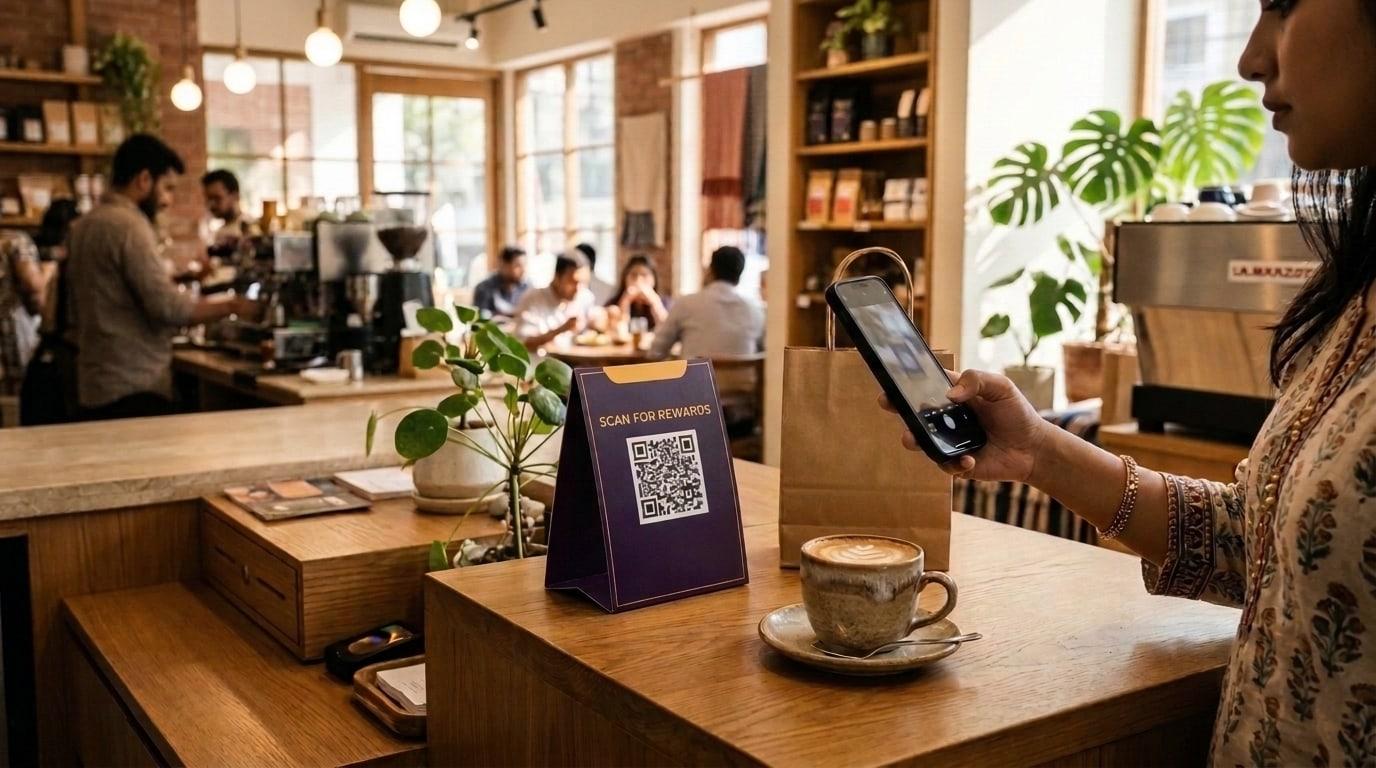
For restaurants, cafes, retail stores, salons, and online brands across Bangladesh, attracting a first-time buyer often requires significant effort and promotional spend. Paid social campaigns, crowded neighborhood markets, and constant discounting can bring initial attention, yet relying only on new buyers makes steady growth harder to sustain. Long-term business stability depends on giving satisfied first-time buyers a clear, friction-free reason to return.
A QR code loyalty platform in Bangladesh makes repeat-customer incentives accessible to everyday businesses without expensive point-of-sale hardware or custom mobile app development. Instead of printing fragile paper punch cards that customers misplace or leave at home, merchants turn a simple QR stand at the counter—or a thank-you card inside an e-commerce parcel—into a branded digital loyalty card that opens directly on a customer’s smartphone.
Why Customer Retention Matters for Growing Businesses
Across urban centers like Dhaka, Chattogram, Sylhet, Rajshahi, and Khulna—as well as fast-growing district towns—small and medium businesses face intense competition. Whether a customer buys specialty coffee, orders skincare on Facebook, or visits a neighborhood grocery shop, they usually have several alternatives within minutes of their home or inside their social feed.
When businesses rely exclusively on one-off seasonal discounts to bring people through the door, margins shrink and shoppers rarely form a lasting habit. A structured customer loyalty program shifts the dynamic from random one-time bargains to predictable repeat visits. When a customer knows they have collected six or seven stamps toward a reward at your store, your brand becomes the natural default choice the next time they need that product or service.
In international loyalty research—such as the EY 2024 Loyalty Market Study (a global study covering international markets rather than a Bangladesh-specific survey)—a consistent theme stands out: shoppers gravitate toward loyalty experiences that are easy to understand, simple to use during daily purchases, and clear about how rewards are earned. For Bangladeshi merchants operating in a smartphone-first environment, keeping the joining and stamp-collection flow straightforward is essential.
What Is a QR Code Loyalty Platform?
QR code loyalty software is a browser-based customer retention system that connects a physical storefront or online parcel directly to a merchant’s digital loyalty card. Rather than asking a shopper to search an app store, download a heavy application, and memorize another password at a busy checkout counter, the business displays a unique QR code (or shares a unique URL).
When the customer scans the QR code with their phone camera, their mobile browser opens the merchant’s branded loyalty page right away. From there, customers join campaigns, earn stamps verified by the store, track progress toward rewards, and claim unlocked perks on future orders.
How a Digital Loyalty Program Works
Modern digital loyalty systems are designed around two synchronized views: an effortless mobile experience for the customer and an organized control panel for the business owner and staff. Together, they remove manual paperwork while preserving merchant control over every stamp awarded.
Conceptual Illustration · End-to-End Workflow
From QR Scan to Reward Redemption
- Step 01
QR Scan
Customer scans the store’s unique QR code or opens its shared link.
- Step 02
Store Loyalty Page
Branded page loads with the merchant’s logo, stamp design, and reward goal.
- Step 03
Sign Up or Log In
Existing users view their card directly; new users join in 1 click via Google or manual entry.
- Step 04
Join Campaign
Customer enters the active loyalty campaign defined by the merchant.
- Step 05
Visit Request
Store owner or employee sends a visit request at checkout or order delivery.
- Step 06
Merchant Approval
Merchant sees the notification in the dashboard and approves with one click.
- Step 07
Stamp Collection
After approval, the customer’s digital card updates with the newly earned stamp.
- Step 08
Reward Unlocked
The reward becomes available to claim once the required stamp count is reached.
- Step 09
Claim Now or Later
Customer redeems the unlocked reward on the spot or saves it for a future visit.
Paper Stamp Cards vs. Digital Loyalty Cards
Many Bangladeshi cafes, bakeries, and salons start with printed paper stamp cards. Paper cards feel familiar at first, yet they introduce practical friction for both the shopper and the business owner as order volume grows. The table below compares how a traditional paper card operates alongside a QR-based digital stamp card.
| Dimension | Paper Stamp Card | QR Code Digital Loyalty Card |
|---|---|---|
| Card availability | Easy to lose, damage, or leave in another wallet at home. | Always accessible from the customer’s phone via QR scan or dashboard. |
| Campaign flexibility | Rules are permanently printed; changing a reward requires reprinting cards. | Merchants can run multiple campaigns and activate or deactivate them anytime. |
| Stamp control | Physical rubber stamps can be misplaced or used without an audit trail. | Store staff send a visit request; the merchant approves each visit before a stamp is issued. |
| E-commerce compatibility | Cannot track online reorders or connect parcel deliveries to a paper punch card. | Connects parcel thank-you cards and shareable store links directly to a customer’s digital loyalty card. |
| Customer visibility | No central record of customer names, phone numbers, or repeat buyers. | Maintains an organized customer list alongside new, existing, and repeat segments. |
| Post-visit engagement | Static paper does not link to Google Reviews, WhatsApp, or social pages. | Displays direct one-click engagement links chosen by the merchant. |
Joining Through QR Codes and Unique Store Links
Customer onboarding speed decides whether a digital loyalty program for small businesses gets adopted on a busy weekend evening. When a customer approaches a counter or opens a parcel at home, they do not want to fill out a long registration form before they can see what they will earn.
With Repezo, every store receives both a unique QR code and a unique store URL. Merchants can display the QR code across physical touchpoints—such as cafe tables, checkout counters, waiting-area posters, or printed thank-you slips inside courier packages—or paste the store URL directly into WhatsApp order confirmations, Instagram bios, and Facebook Messenger replies.
What happens after the scan depends on whether the person is already registered:
- Returning Repezo customers: Opening the store’s QR link takes them straight to that store’s loyalty card so they can check stamps or join a new campaign without repeating registration.
- New customers: They can register in one click using Google or enter their details manually, keeping onboarding accessible whether they prefer single-click sign-in or manual entry.
How Branded Digital Stamp Cards Work
Loyalty feels personal when it reflects the store a customer actually loves—not a generic coupon directory. When a customer scans a store’s QR code on Repezo, the screen opens a dedicated loyalty program page styled with that store’s logo and brand identity.
Instead of plain checkboxes, the card uses the store’s own logo as the visual stamp mark. Customers immediately see:
- The merchant’s logo and branded program header
- Custom loyalty stamps rendered using the store’s logo
- The total number of stamps required to complete the campaign
- How many stamps they have already collected
- Their visual progress toward the goal
- The specific reward that unlocks once the campaign is completed
Conceptual Illustration · Store-Branded Card
How a Branded Digital Stamp Card Tracks Progress
Dhanmondi Roastery Cafe
Store Logo · Branded Loyalty Card
Reward Goal
Free Signature Item
How Merchants Approve Visits and Award Stamps
A frequent concern among restaurant and retail owners evaluating QR code loyalty software is simple: what stops someone from scanning a counter QR code multiple times or collecting stamps without actually buying anything?
Repezo handles this by intentionally avoiding unverified automatic stamp issuance. Instead, stamps follow a transparent verification step between staff and the business owner:
- Visit request submission: After a customer completes a purchase or visit, the store owner or an authorized employee sends a customer visit request.
- Instant merchant visibility: The merchant receives a notification and sees the pending request directly inside their dashboard.
- One-click approval: The merchant reviews the request and approves the visit with a single click.
- Stamp credited: Only after that approval is confirmed does the customer receive the stamp on their digital card.
This verification step requires merchant approval before a customer receives a stamp, keeping control firmly with the business owner while remaining straightforward for counter staff during busy hours.
How Flexible Rewards Encourage Repeat Purchases
Different businesses operate with very different ticket sizes and purchase frequencies. A tea bar where customers visit four times a week needs a different reward rhythm than a fashion boutique or an electronics accessory shop where shoppers order once a month.
That is why merchants need full control over their campaign setup. On Repezo, a business can create multiple loyalty campaigns and independently activate or deactivate each campaign whenever needed—for example, running a weekday beverage stamp card alongside a separate seasonal promotion, and deactivating either one cleanly when it is no longer needed.
Practical Examples for Cafes, Restaurants, Retail, and E-Commerce
Because merchants define their own reward rules rather than being locked into fixed presets, campaigns can match real profit margins. The scenarios below are illustrative examples of how different Bangladeshi businesses might structure a customer rewards program:
- Cafe or specialty tea shop (illustrative example): Set up a rule where regular guests collect 10 stamps—one per approved cafe visit—to unlock a complimentary beverage or pastry of their choice.
- Casual dining or biryani restaurant (illustrative example): Offer a shorter milestone, such as completing 3 orders to unlock a 5% discount on the fourth visit, giving first-time diners an achievable short-term goal.
- Neighborhood retail shop or salon (illustrative example): Configure a campaign where shoppers complete 10 orders or service appointments to receive a 20% discount on a qualifying follow-up purchase.
- Online boutique or f-commerce brand (illustrative example): Print the store’s QR code on parcel thank-you cards so buyers scanning at unboxing can build toward a 3-order 5% discount or 10-order 20% discount on direct reorders.
Why a Unified Customer Dashboard Matters
When every shop uses an isolated paper card or separate app, customers quickly abandon the effort. A unified personal customer dashboard solves this problem by bringing all of a shopper’s joined businesses together in one clean place.
Inside their Repezo customer dashboard, a shopper can inspect all participating stores at a glance:
- Which stores they have joined
- Their collected stamp count for each individual store
- Their current progress across active campaigns
- Which rewards have been unlocked
- Rewards they have earned and not yet claimed
Flexibility at redemption time is equally valuable. Once a customer unlocks a reward, they can either claim it immediately during that visit or save it to claim later on a future trip when they want to enjoy it most. Customers can also message a store owner directly through the available in-app action if they have a question about a visit, order, or upcoming reward.
Conceptual Illustration · Customer Dashboard
All Joined Stores, Progress, and Rewards in One View
Banani Espresso Bar
Collect 10 stamps for a free coffee
Uttara Urban Attire
Collect 3 stamps for a 5% discount
Mirpur Book & Gift Shop
Collect 10 stamps for a 20% discount
How Merchants Use Customer Databases and Retention Analytics
Paper stamp cards leave business owners blind—you hand out hundreds of cards without ever knowing how many people returned, who is close to a reward, or how many new buyers became regulars. Structured customer retention software replaces guesswork with an organized record of program members.
In the merchant customer database, store owners can view practical customer details, including:
- Customer name
- Phone number
- Number of stamps collected
- Number of campaigns joined
- Progress inside running campaigns
Alongside individual member records, merchant analytics highlight core program movement across four clear groups:
- Total customers enrolled in the store’s loyalty program
- Newly joined customers entering the program for the first time
- Existing customers continuing in active campaigns
- Customers who repeatedly purchase and return across visits
Monitoring these four indicators helps Bangladeshi business owners spot whether their QR placements are attracting new signups and whether first-time visitors are returning for second and third orders.
Using QR Codes Inside E-Commerce Parcel Thank-You Cards
Bangladesh’s online retail ecosystem spans web storefronts and many Facebook and Instagram commerce brands delivering nationwide through courier partners. Yet online sellers often struggle with the same gap: a customer buys once, receives the parcel, and forgets the store’s name by the following month.
Inserting a small printed thank-you card inside every outbound parcel bridges offline delivery with digital retention. Here is a simple way online brands put it to work:
- Place the store’s unique QR code on the parcel insert alongside a clear invitation such as “Scan to collect stamps toward your next reward.”
- When the buyer opens the package at home, they scan the code or tap the store’s unique link if shared on WhatsApp order confirmation.
- The store’s branded loyalty page opens in their browser, letting them sign up with one click via Google or manual registration and join the active campaign.
- As orders are verified and approved by the merchant, stamps accumulate cleanly across subsequent reorders—turning one-time parcel recipients into repeat brand buyers.
Google Reviews, WhatsApp, and Social Media Engagement Links
Customer retention does not happen only at the billing counter. Growing local businesses also rely heavily on Google Maps visibility, active social media communities, and responsive WhatsApp communication.
Inside the merchant dashboard, store owners can add their own direct links for:
- Google Reviews — directing satisfied guests to the store’s review page
- WhatsApp messages — opening a direct chat thread for orders or inquiries
- Social media profiles — connecting shoppers to official Facebook, Instagram, or other brand pages
When a customer taps one of these one-click actions on the store’s loyalty page, the merchant-provided link opens directly. To set clear expectations: these links serve as convenient shortcuts for customers, and Repezo does not claim to verify whether a customer actually submitted a Google review or followed a social profile on third-party platforms.
Looking ahead, official WhatsApp API-based WhatsApp Automation is planned as an upcoming feature on Repezo. Because it is currently under future development and not yet launched, businesses evaluating the platform today should plan around the current dashboard, one-click engagement links, and in-app customer messaging, with automated WhatsApp API workflows slated for a future release.
What Businesses Should Look For When Choosing Loyalty Software
Before committing to any customer loyalty program tool, business owners in Bangladesh should evaluate five practical questions:
- Does it require a separate mobile app download? Many casual coffee buyers and retail shoppers may hesitate to install a dedicated app just for one shop. Browser-based QR experiences remove that barrier.
- Does your brand stay front and center? Your store’s logo, stamp mark, and rewards should be clearly visible so customers remember your business name.
- How are stamps verified? Ensure stamps require intentional staff submission and merchant approval rather than unguarded self-service scanning.
- Can you adapt campaigns without extra printing? Look for software where you can run multiple campaigns and activate or deactivate them independently as margins or seasons shift.
- Does it work for both walk-in counters and parcel deliveries? Having both a physical QR code and a shareable store URL supports dine-in, retail checkout, and e-commerce parcels under one system.
Why Consider Repezo?
Repezo is suited for Bangladesh-based cafes, restaurants, retail shops, salons, and online or social-commerce brands that want a practical, branded digital stamp card without building a custom app or investing in dedicated POS terminals. Rather than leaving retention to easily lost paper cards, merchants get store-branded loyalty pages, flexible campaign activation controls, merchant-approved visit stamps, core customer retention counts, and a single customer dashboard where shoppers can claim unlocked rewards immediately or save them for later.
Conceptual Illustration · Merchant Workspace
Merchant Campaign, Approval, and Analytics Workflow
Nusrat Jahan · 017XX-XXXXXX
Requested by store staff · Campaign: Collect 10 Stamps
Independent Campaign Controls
10 Stamps · Free Item
Status: Active
3 Orders · 5% Discount
Status: Inactive
Total Customers
Full member count
Newly Joined
First-time signups
Existing Customers
Returning program members
Repeat Purchasers
Returning buyers
Merchant Engagement Links (Direct Open)
Planned upcoming feature: Official WhatsApp API-based WhatsApp Automation (not currently active).
At the same time, businesses should weigh Repezo’s current scope honestly against their requirements. Repezo is currently focused solely on Bangladesh, so businesses looking for an internationally launched rollout today—or requiring currently live, official WhatsApp API-based automation rather than one-click WhatsApp chat links and in-app customer messaging—should factor those upcoming roadmap items into their timing decision.
Frequently Asked Questions
What is a QR code loyalty platform, and how does it work in Bangladesh?
A QR code loyalty platform lets businesses replace paper punch cards with a browser-based digital loyalty card. Customers scan a QR code at a checkout counter, cafe table, or inside an e-commerce parcel, open the store’s branded loyalty page, sign in or register, and earn digital stamps approved by the merchant toward a defined reward.
Do customers need to download a mobile app to join a Repezo loyalty card?
No separate app download is required to scan and join. Customers open the store’s branded loyalty page directly after scanning the QR code or clicking the store’s unique URL. Existing Repezo users access the relevant card right away, while new users can register with one click through Google or enter their details manually.
Are stamps issued automatically whenever someone scans a store QR code?
No. Stamps are not issued automatically on scan. A store owner or employee submits a customer visit request, the merchant sees the notification in their dashboard, and the merchant approves the visit with one click before the customer receives a stamp.
Can a merchant run multiple reward rules or deactivate a campaign later?
Yes. Merchants define their own reward rules (for example, 10 stamps for a free item, 10 orders for a 20% discount, or 3 orders for a 5% discount), create multiple loyalty campaigns, and activate or deactivate each campaign independently whenever needed.
Can e-commerce and Facebook commerce brands in Bangladesh use QR loyalty cards?
Yes. Online sellers can print their store’s QR code on thank-you cards placed inside courier parcels and share their unique store URL over chat or social channels, making it easy for online buyers to join and track rewards across repeat orders.
Does Repezo verify Google Reviews or social media follows?
No. Tapping an engagement action opens the merchant-provided Google Reviews, WhatsApp, or social media link directly, and Repezo does not verify whether a customer actually submitted a review or followed a social profile.
Does Repezo currently offer WhatsApp API automation?
Not yet. Official WhatsApp API-based WhatsApp Automation is planned as an upcoming feature and is not currently available. Merchants can currently add direct one-click WhatsApp links to their loyalty page and use in-app customer messaging.
Where is Repezo currently available?
Repezo is currently focused on businesses and customers in Bangladesh. International availability is planned for the future, though it has not yet launched outside Bangladesh.
Conclusion and Next Steps
Building repeat business in Bangladesh does not require complex enterprise software or paper cards that customers quickly misplace. A well-structured QR code loyalty platform brings together fast QR or link onboarding, store-branded digital stamp cards, merchant-controlled visit approvals, flexible campaigns, and a unified customer dashboard in one practical system.
If you run a cafe, restaurant, retail shop, salon, or e-commerce brand in Bangladesh and want to launch your own branded digital stamp card, you can start setting up your store on Repezo, learn more about how Repezo works, reach out to our team with questions, or explore future guides in the REPEZO Insights English edition and main Blog & News hub.
Related Articles
What Is a Digital Loyalty Program? A Complete Guide for Small Businesses
A practical guide for small business owners explaining what a digital loyalty program is, how browser-based digital stamp cards compare with points, tiers, and paper punch cards, and how to run a simple repeat-customer program without building a mobile app.
REPEZO Platform
Turn everyday store visits into repeat customers
Launch digital loyalty stamps, Google review prompts, and customer insights in minutes with a single QR scan and no app download.